
Kailua Hawaii Windward Oahu Wealthy Enclave Attracting Mainland Luxury Buyers
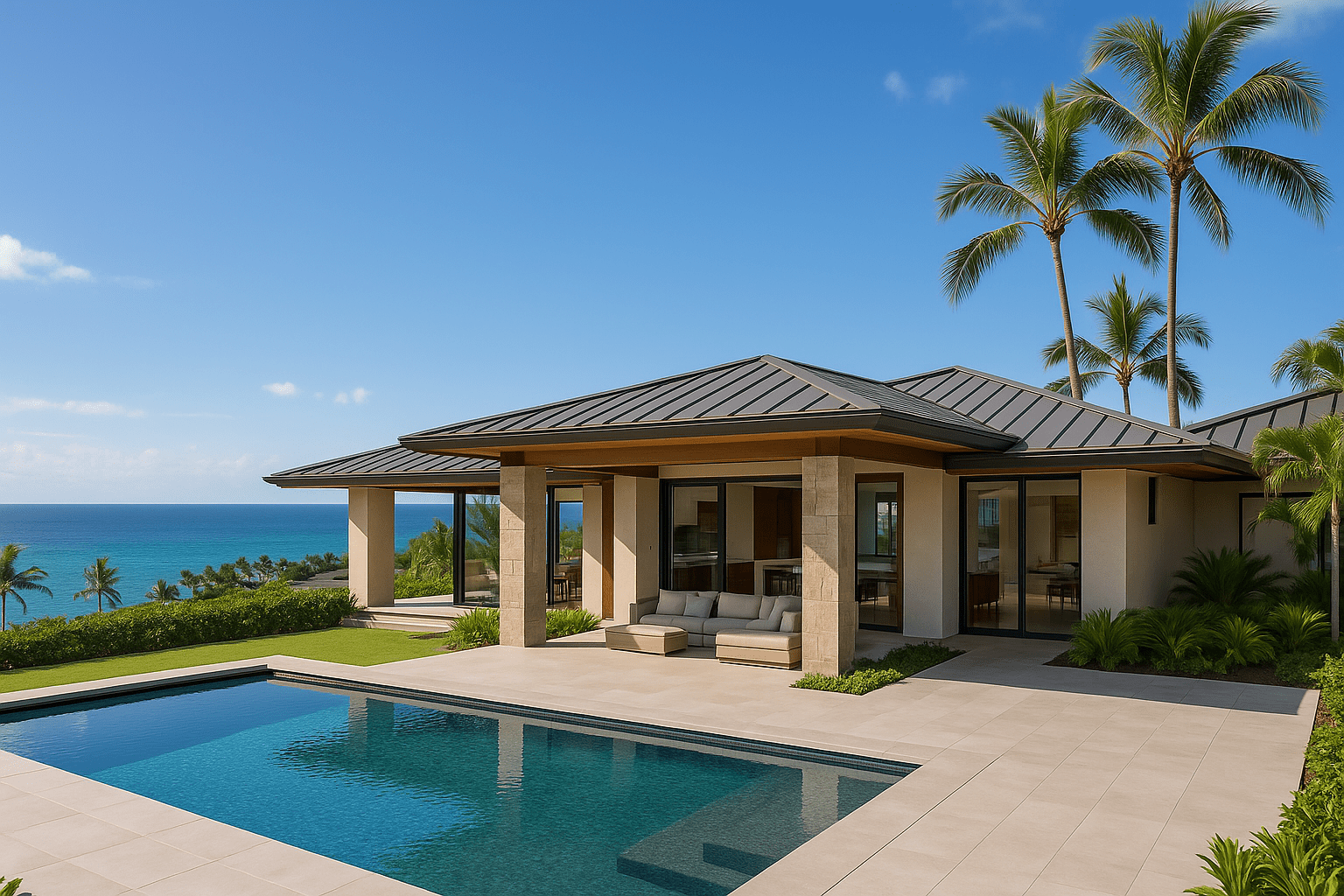
Some places sell square footage. Kailua sells a way of waking up. The draw behind Kailua Hawaii is not hard to understand: calm mornings, trade winds, soft beach light, and a town that feels removed from Honolulu without being cut off from it. For mainland buyers with cash, equity, or remote-work freedom, that mix can feel rare inside the U.S. market. It is not a cheap move, and it should not be framed as one. The U.S. Census Bureau puts Kailua’s 2020–2024 median owner-occupied home value at $1,353,700, with median gross rent at $3,093, so the local housing story starts at a price level far above most American suburbs.
That is why luxury real estate market insight matters here. Buyers are not weighing Kailua against average towns. They compare it with coastal California, Seattle-area wealth pockets, Aspen-style lifestyle markets, and other places where money chases climate, privacy, and status. For more local housing context, readers can also compare Oahu neighborhood buying patterns and Hawaii luxury home pricing trends.
Why Kailua Hawaii Keeps Pulling Wealth Across the Pali
Kailua sits on Windward Oahu, but its buyer psychology often starts thousands of miles away. A mainland household may see Hawaii as an escape, yet the final decision is usually more practical: Can this place hold value, serve family life, and still feel special after the vacation mood fades? Kailua answers yes for many wealthy buyers because it offers a rare blend of beach access, daily services, schools, and a direct road link back to Honolulu.
A beach town that behaves like a scarce asset
Kailua looks relaxed at street level. People walk dogs near Kalapawai, rinse sand from their feet, and talk about wind direction as if it were a normal part of the morning. Under that casual surface, the market behaves like a limited asset class. There is only so much land between the ocean, the marsh, the mountains, and established neighborhoods.
That scarcity changes how buyers think. A mainland family from Marin County or Newport Beach may not see a small Kailua lot as a compromise. They may see it as the price of being in a town where the beach is part of daily life rather than a weekend trip. That is a major reason mainland luxury buyers keep watching the area.
The non-obvious point is that Kailua’s lack of big-city polish can raise its value. A place with fewer resort signals can feel more livable to a wealthy buyer who wants Hawaii without the hotel-corridor feeling. The quiet grocery run, the shaded side street, and the older single-wall home can carry more emotional weight than a newer gated entrance.
The Pali commute filters buyers more than it blocks them
The drive over the Pali can scare off some buyers. It adds a psychological line between Kailua and Honolulu. For daily commuters, that matters. Rain, traffic, and tunnel timing can turn a simple trip into a chore.
Yet that same separation protects Kailua’s feel. If the town sat ten flat minutes from downtown Honolulu, it would likely face even heavier development pressure. The Pali makes buyers choose. People who buy here tend to want the Windward rhythm enough to accept the trade.
That filter matters in Windward Oahu real estate. A surgeon working at a Honolulu hospital, a finance professional with hybrid hours, or a retired couple with mainland stock gains may accept the commute because they are not buying for convenience alone. They are buying the right to end the day in a place that feels quieter than the city they still need.
The Price Story Behind Windward Oahu Real Estate
Price in Kailua is not one story. It is a stack of stories: income, land limits, lifestyle demand, inherited equity, low turnover, and national wealth looking for a safer lifestyle bet. The Census Bureau lists Kailua’s 2020–2024 median household income at $148,582, which helps explain local purchasing power, but the home values still sit far beyond what wage income alone can support for many households.
Income, equity, and the quiet math of ownership
A high income helps, but it rarely tells the whole story in Kailua. Many purchases rely on equity from previous homes, family wealth, investment gains, or all-cash strength. That is why the market can stay firm even when mortgage rates hurt regular buyers.
National housing data helps explain the pattern. In May 2026, U.S. existing-home sales rose, yet supply stayed below pre-pandemic levels, and the national median existing-home price reached $429,300. The same report showed first-time buyers still below the share economists often associate with a healthy market. Kailua sits above that national story. Here, the buyer pool is thinner, richer, and less rate-sensitive.
A local example makes it plain. A teacher and nurse household may earn a solid income by national standards and still struggle to compete with a California seller arriving with seven figures in equity. That does not mean the incoming buyer overpays in their own mind. It means they bring a different balance sheet to the same open house.
Why small lots can carry large premiums
In many U.S. suburbs, buyers pay more for larger homes and newer finishes. Kailua bends that rule. A smaller, older home near the beach path can beat a larger inland house because the buyer is paying for position, not only structure.
That can surprise mainland shoppers. They may expect luxury to mean a huge kitchen, a grand stairway, and a three-car garage. Kailua often rewards a different checklist: breeze, elevation, walkability, flood awareness, privacy from the street, and how the home opens toward outdoor living.
The counterintuitive truth is that renovation risk does not always weaken demand. Some Oahu luxury homes need careful updates, yet buyers still chase them because the lot cannot be recreated. A dated house near Lanikai or a well-placed home near Kailua Beach may attract attention because the structure is fixable. The land position is not.
What Mainland Buyers Are Actually Buying
The phrase “luxury buyer” can create the wrong picture. Some buyers want a showpiece, but many want control over time. They want morning swims, less winter, more privacy, and a property their family will use instead of admire from a distance. Kailua sells that better than many resort markets because it feels like a functioning town.
Privacy beats flash in many premium purchases
Kailua wealth often hides in plain sight. A hedge-fund buyer or tech founder may not want a home that announces itself. They may want a hedge, a locked gate, quiet neighbors, and beach access without a crowd forming outside the driveway.
That is one reason mainland luxury buyers are drawn to streets where homes feel tucked in rather than staged. A buyer from Los Angeles may have seen enough glass boxes. In Kailua, a low-key home with palms, outdoor showers, and an older lava-rock wall can feel more valuable than a louder mansion.
This is where Oahu luxury homes differ from trophy houses in some mainland markets. The best property is not always the one with the most dramatic listing photos. Sometimes it is the one where guests stop talking after they hear the wind move through the yard.
The Lanikai pull and the Enchanted Lake tradeoff
Lanikai carries name power. Buyers know the beach, the Mokulua view, and the soft-lane feel. That fame keeps pressure on nearby property, even when access, parking, and privacy come with friction.
Enchanted Lake tells a different story. It can offer more inland space, easier parking, and a practical family layout. A buyer may trade a shorter walk to sand for a better floor plan, a pool, or a calmer daily routine. That choice is not always a downgrade. For some households, it is the smarter way to live in Kailua.
The best buyers learn this before they bid. They do not treat the town as one flat market. They study micro-areas, wind exposure, flood maps, street noise, beach access, and how weekend visitor pressure changes a block. That work matters more here than in a standard subdivision where homes repeat by model.
The Local Tension That Shapes Every Deal
Kailua’s appeal comes with pressure. Wealth can preserve old homes, fund restorations, and support local businesses. It can also push families out, turn houses into assets first, and make longtime residents feel watched by a market that never stops repricing their town. Any honest article about Windward Oahu real estate has to sit with that tension.
Short supply protects value, yet raises social pressure
Kailua’s supply limits help protect property values. The same limits create pain. The Census Bureau shows a 72.3% owner-occupied housing rate for 2020–2024, which signals a community with many settled households, not a market built only for turnover. Low turnover can make listings feel rare, and rare listings often bring strong offers.
For sellers, that can be good news. A family holding an older home may have wealth on paper that would have sounded impossible decades ago. For younger local buyers, it can feel brutal. The gap between local wages and entry prices can turn homeownership into a family-assisted event.
The non-obvious lesson is that luxury demand does not always create a fast market. High prices can slow decision-making. Wealthy buyers still negotiate hard when insurance, repairs, flood exposure, or renovation limits enter the picture. A rich buyer may pay cash, but they still care about risk.
A smart buyer studies the neighborhood before the view
The view can trick you. A buyer may fall for turquoise water and miss the harder questions: Where does water collect during heavy rain? How does traffic move on beach days? Are nearby homes owner-used, rented, or empty much of the year? What will the house need in salt air over the next decade?
Kailua rewards patience. A smart buyer walks the street at different hours. They talk with local agents who know more than listing language. They read public records, check insurance quotes early, and study the U.S. Census Bureau QuickFacts to understand the community beyond the beach image.
That level of care respects the place. It also protects the buyer. The strongest purchase is not the one made after a perfect sunset. It is the one that still makes sense on a rainy Tuesday, when the beach is gray, the Pali is slow, and the repair estimate lands in your inbox.
Conclusion
Kailua is not becoming desirable because someone discovered it on a listing app. Its appeal has been building for years through geography, wealth migration, climate comfort, and the rare feeling of a real town beside a famous shoreline. The next phase will not be simple. Higher prices will keep testing local access, while buyers with mainland equity will keep treating the area as one of the few U.S. places that can offer lifestyle and long-term scarcity in the same address.
That is the honest lens for Kailua Hawaii. It is beautiful, expensive, practical in some ways, inconvenient in others, and shaped by limits that no builder can solve with another subdivision. Buyers should come with respect, not fantasy. Sellers should price with confidence, not greed. And anyone watching the market should remember this: in Kailua, the land is the luxury, but the community is the reason the land matters.
Frequently Asked Questions
How expensive is it to buy a home in Kailua?
Prices often sit far above the national market because land is limited, beach access carries a premium, and wealthy buyers compete for fewer listings. The Census Bureau’s recent owner-occupied value data shows Kailua well into seven-figure territory, so buyers need strong financing or major equity.
Is Kailua better for living or vacation home ownership?
It works best for buyers who plan to use the home often or live there full time. The town has daily services, schools, beaches, and neighborhood life. A lightly used second home can make financial sense, but community fit matters here.
Why do mainland buyers like Windward Oahu?
They often want Hawaii’s climate without the resort feel of Waikiki or the heavier urban pace of Honolulu. Windward Oahu gives them beach access, mountain views, trade winds, and a slower daily rhythm while keeping Honolulu within reach.
Is Lanikai more expensive than other parts of Kailua?
Lanikai often commands a premium because of its beach reputation, views, and limited supply. Still, price depends on lot position, condition, elevation, parking, privacy, and walkability. Some buyers find better daily value in other Kailua neighborhoods.
Are Kailua homes good long-term investments?
They can be strong long-term holds because supply is limited and lifestyle demand remains deep. That does not remove risk. Buyers still need to study insurance, maintenance, flood exposure, local rules, and entry price before treating any home as safe.
What should buyers check before making an offer in Kailua?
They should review flood maps, insurance costs, roof age, salt-air wear, drainage, zoning, shoreline rules where relevant, and renovation limits. A local inspection team matters because island maintenance is different from many mainland housing markets.
Does Kailua feel like a luxury resort town?
No, and that is part of the appeal. Kailua feels more residential than resort-driven. There are beaches and high-value homes, but the town still has grocery runs, school traffic, local routines, and older homes mixed into premium streets.
Who is the best fit for Kailua real estate?
The best fit is a buyer who values lifestyle, privacy, beach access, and community over maximum house size. Kailua suits people who understand that the price reflects scarcity and setting, not only interior finishes or lot square footage.