
Kapaa Hawaii Kauai North Shore Real Estate Attracting Remote Workers and Retirees
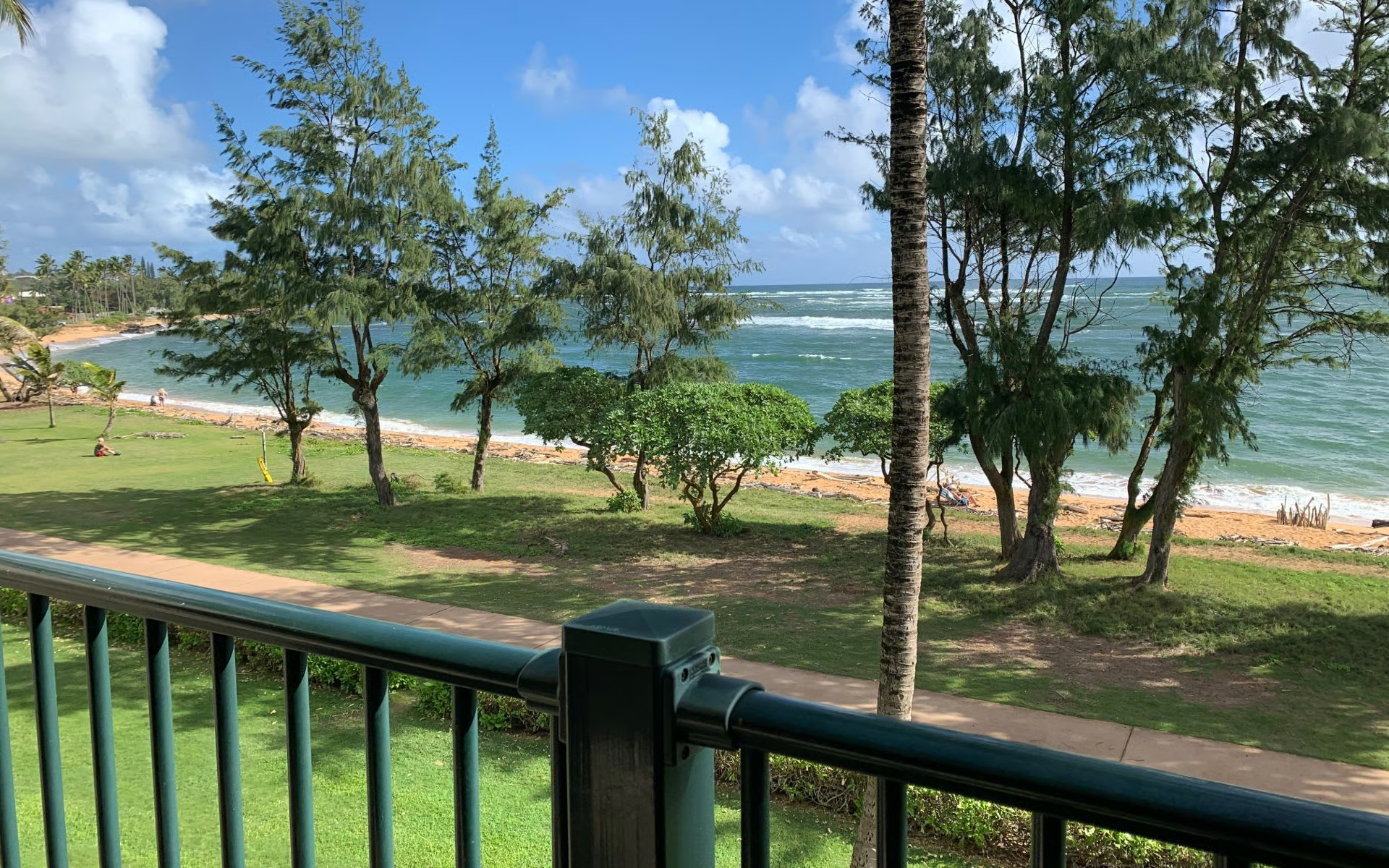
Kapaa has a way of catching mainland buyers off guard. They search for ocean air, slower mornings, and a softer landing on Kauai, then learn that North Shore Real Estate often points them toward nearby lifestyle choices rather than one neat map label. Kapaa itself sits on the east side of the island, yet it keeps appearing in the same conversation because it offers what many buyers hoped to find farther north: beach access, daily services, a lived-in town center, and a pace that works for full-time life. For buyers comparing island markets through local real estate visibility and market research, the pull is easy to see. Kauai remote workers want a place where home can also function as an office. Retirees want comfort without feeling cut off. Families want errands, schools, health care access, and a market that feels less resort-only. That mix explains why retirement in Kauai and remote-work relocation both keep pushing attention toward Kapaa.
Why North Shore Real Estate Searches Keep Landing on Kapaa
Kapaa’s appeal begins with a small correction. It is not Hanalei, Princeville, or Kilauea, and buyers who ignore that will misunderstand the market. The smarter way to read Kapaa is as Kauai’s practical middle ground: close enough to north-side beauty to feel connected, but grounded enough to support daily life.
The location works harder than the label
Kapaa sits on Kauai’s Coconut Coast, which gives it a different rhythm than the classic north-side towns. You get oceanfront paths, local shops, grocery stops, schools, and access to Lihue without giving up the green, open feel that makes Kauai special. That matters more than many mainland buyers expect.
A remote worker coming from Seattle or Denver may picture the perfect day as laptop work in the morning and a trail or beach walk after 4 p.m. In Kapaa, that day does not require resort parking, long drives, or a full plan. The town supports ordinary habits, and ordinary habits decide whether island life lasts.
The non-obvious part is this: beauty alone can become tiring when every errand feels like a project. Kapaa wins because it does not ask buyers to choose between scenery and function. You can have both, though not always in the polished form shown in vacation ads.
Buyers are chasing livability, not only views
Many mainland shoppers start with ocean views. Then they price insurance, maintenance, groceries, flights, and health care access. The wish list changes fast. Kapaa homes for sale can feel more grounded because buyers start comparing how they would live on a Tuesday, not how the home looks during a one-week trip.
That shift helps explain the demand from remote professionals and retirees. A buyer from California may accept a smaller yard if the home is near stores, walking paths, and medical appointments. A retired couple from Arizona may skip a dramatic cliffside setting if the driveway, stairs, and upkeep feel wrong for the next decade.
Kapaa is not cheap by mainland standards. Hawaii rarely is. But it can feel more usable than higher-profile luxury pockets because the value is tied to routine. That is the hidden math buyers learn after the first round of dreaming.
Remote Work Has Changed What Buyers Want From Kapaa
The old island-home fantasy was built around escape. The new one is built around staying. A buyer no longer has to wait for retirement to move to Kauai, but that freedom comes with sharper demands. A house must support income, privacy, schedules, and calm.
Home offices need more than a pretty window
Kauai remote workers often arrive with one clear fear: they do not want paradise to interrupt their paychecks. A scenic lanai is nice, but a quiet room, steady service, shade, airflow, and backup plans matter more. The best home is not always the flashiest one.
A mainland employee working East Coast hours may start before sunrise in Hawaii. That changes the way a floor plan feels. A bedroom near the kitchen may become a bad office. A bright ocean-facing room may turn into glare during video calls. A house near a busy road may look fine at noon and sound rough during a 5 a.m. meeting.
This is where Kapaa has an edge. It has more of the services and daily support that remote workers need, from coffee shops to shipping options to nearby errands. The beach-town charm helps, but the workday structure carries the decision.
Flexible workers still need island discipline
Remote work sounds loose until the time zone becomes real. Hawaii sits far behind the mainland business day, so many workers build mornings around calls and afternoons around personal time. That can be a gift, but only if the home and routine fit.
Kauai remote workers who last tend to treat Kapaa as a base, not a vacation set. They learn which roads slow down, where to shop at quieter hours, and how to protect work time when guests visit. Friends from the mainland may assume life turned into one long beach day. It did not.
The counterintuitive insight is that remote workers often need a more boring house than vacation buyers do. Boring can mean good storage, a shaded office, safe parking, and a kitchen that works hard. Kapaa rewards that kind of thinking because it already behaves like a town where people live, not a stage where people perform island life.
For more planning depth, connect this topic with a remote work relocation checklist before comparing individual listings.
Retirees See Kapaa as a Softer Landing on Kauai
Retirees often shop with two minds. One wants the dream: warm air, morning walks, flowers, ocean sound, and space from mainland noise. The other asks harder questions about doctors, stairs, driving, costs, family visits, and whether the home will still work at age 80.
Daily comfort becomes the real luxury
Retirement in Kauai is less about doing nothing and more about choosing a slower daily pattern. Kapaa supports that pattern better than many visitors expect. You can walk the coastal path, run errands without crossing the whole island, meet friends for lunch, and still feel near nature.
A retired couple from Oregon might first look at a quieter north-side pocket, then shift toward Kapaa after adding up the small frictions. Longer drives. Fewer nearby services. More dependence on a car. A home that looks peaceful can feel lonely if every appointment or grocery run becomes a half-day event.
That is why some retirees choose a less dramatic setting with better access. The better long-term home may not win the vacation-photo contest. It wins the calendar.
Aging in place changes the shopping list
Retirees who plan well look beyond the first year. Single-level living, manageable yards, safe bathrooms, shade, parking, and room for visiting family often beat square footage. In Kapaa, those details can matter as much as the view.
Searching Kapaa homes for sale also exposes buyers to a wider range of home styles than a narrow resort market might offer. Some properties feel older and need work. Some sit inland. Some trade ocean drama for space, fruit trees, or neighborhood calm. None of those trade-offs are automatic losses.
The non-obvious point is that retirees may benefit from being near younger working households. A mixed town often has more services, more repair options, more community activity, and less of the empty feeling that can show up in second-home-heavy areas. Kapaa’s year-round life is part of the draw.
A smart next read would be a retirement housing checklist for island buyers, especially before making a long-distance offer.
What Buyers Should Know Before Choosing Kapaa
Kapaa has real strengths, but it also asks for clear eyes. A buyer who treats it like a cheaper version of a resort town will miss the point. A buyer who treats it like a working Kauai community will make better choices.
Costs do not stop at the purchase price
The mainland habit is to compare listing price first. On Kauai, that is only the opening move. Insurance, repairs, shipping, utilities, association rules, flood zones, and contractor availability can change the full cost of ownership. A home that looks affordable can become stressful if the roof, drainage, or access road needs work.
The U.S. Census Bureau county profile is a useful starting point for understanding the larger Kauai setting, but buyers still need street-level research. A county number will not tell you whether a specific lot gets runoff, road noise, or trade-wind relief.
For example, two homes can sit a short drive apart and feel different during heavy rain. One may drain well and stay breezy. Another may collect moisture and need more maintenance. Kapaa rewards buyers who visit at different times of day and ask local questions before falling in love with photos.
The best offer starts with patience
Kapaa is not a market where every good choice announces itself at first glance. Some homes need cosmetic work but sit in a strong location. Others look polished yet carry awkward layouts or upkeep issues. The best buyers slow down.
That patience matters for mainland buyers who feel pressure to act fast. A remote worker may want to move before a lease ends. A retiree may want to secure a home before selling on the mainland. Speed can help, but panic rarely does.
The better approach is to build a clear buy box. Decide what you will not compromise on, such as office privacy, single-level living, or drive time to Lihue. Then stay flexible on finishes. Paint can change. Bad access is harder.
Kapaa’s market favors buyers who understand trade-offs before they arrive. The reward is not a perfect island fantasy. It is a home that still feels right after the vacation mood fades.
Conclusion
Kapaa’s real strength is its balance. It gives buyers enough Kauai beauty to feel the island each day, yet enough town structure to make full-time living possible. That balance matters more as mainland professionals work from anywhere and older buyers rethink what comfort should mean. The strongest demand is not coming from people chasing a postcard. It is coming from people who want a home that can hold work, rest, errands, visitors, health needs, and a slower rhythm without turning life into a puzzle. That is the real reason North Shore Real Estate interest keeps spilling into Kapaa, even when the geography needs a closer read. Buyers who understand that distinction will shop with better judgment. They will look past the label and study the life behind the listing. If Kapaa fits your routine as well as your dream, it deserves a serious place on your Kauai shortlist.
Frequently Asked Questions
Is Kapaa actually on Kauai’s north shore?
No. Kapaa sits on Kauai’s east side, often called the Coconut Coast. It still appears in north-side lifestyle searches because buyers compare it with nearby areas that offer beach access, greenery, and island living at different price and convenience levels.
Why are remote workers interested in Kapaa Hawaii?
Kapaa offers a practical mix of coastal lifestyle, town services, and access to Lihue. Remote workers often need more than scenery. They need quiet work space, errands nearby, steady routines, and a home that supports mainland work hours from Hawaii.
Is Kapaa a good place to retire on Kauai?
Yes, for retirees who want daily convenience along with island scenery. Kapaa may suit buyers who value grocery access, walking areas, community life, and shorter drives. The best fit depends on health needs, home layout, budget, and comfort with island costs.
Are homes in Kapaa cheaper than Princeville or Hanalei?
Often, Kapaa can feel more attainable than the best-known north-side markets, though Hawaii prices remain high compared with many mainland cities. Buyers should compare full ownership costs, not listing prices alone, because repairs, insurance, and upkeep change the picture.
What should buyers check before purchasing a home in Kapaa?
Focus on drainage, roof age, airflow, road noise, internet needs, insurance, parking, and drive times. Visit the property at different hours when possible. A home can feel different during rain, school traffic, trade winds, or early morning work calls.
Do retirees need a car in Kapaa?
Most retirees should plan on having a car. Kapaa has useful local services, but Kauai life still depends on driving for medical visits, major shopping, airport access, and island errands. Walkability helps, yet it rarely replaces personal transportation.
Is Kapaa better for full-time living or vacation homes?
Kapaa is strong for full-time living because it has a year-round town rhythm. Vacation buyers may enjoy it too, but the deeper appeal is practical: errands, services, neighborhoods, and access. It feels less like an isolated resort zone.
What makes Kapaa different from other Kauai towns?
Kapaa blends beach access, local business activity, inland neighborhoods, and central east-side positioning. It is busier than some quiet pockets and less resort-focused than luxury areas. That middle-ground identity is exactly why many buyers keep it on their list.