
What Buyers Should Know About Home Maintenance Needs
A house can look peaceful on a Sunday showing and still be quietly asking for money. Fresh paint, clean staging, and bright windows can hide the slower truth: every property comes with systems that age, surfaces that wear down, and small problems that punish delay. That is why buyers need to think about home maintenance needs before they fall too hard for a floor plan, a backyard, or a kitchen island.
The smartest buyers do not treat maintenance as bad news. They treat it as part of ownership math. A home is not only a purchase price; it is a living set of responsibilities that will keep showing up after closing day. Before making an offer, it helps to compare visible condition, past repairs, local climate, and long-term upkeep with the same seriousness you bring to financing. Resources that support smarter property decisions, such as real estate visibility and market insight, can also help buyers think beyond the listing photo and toward the full ownership picture.
Home Maintenance Needs Start With Seeing the House as a System
A home is not one object. It is a stack of connected parts, and the expensive trouble often starts where one part quietly affects another. A roof leak becomes drywall damage. Poor drainage becomes foundation stress. A weak bathroom fan becomes moisture behind paint. Buyers who understand that chain make calmer decisions because they stop judging a house by charm alone.
Why cosmetic appeal can distract from real ownership risk
Fresh finishes can make a buyer relax too early. New cabinet hardware, clean flooring, and updated light fixtures feel reassuring because they are easy to see, but they rarely tell you how the house has been cared for over time. A home can look updated while the water heater is near the end of its life, the gutters are clogged, and the attic has poor ventilation.
The better habit is to separate beauty from condition. Beauty tells you whether you like living there. Condition tells you what the house may demand from you after closing. Those are different conversations, and mixing them leads to expensive optimism.
A practical example makes this clear. A buyer may walk into a renovated living room and feel confident because everything looks fresh. Then the inspection reveals old electrical panels, patchy insulation, and a roof with five years left at best. The living room was telling one story. The house was telling another.
How age, materials, and climate shape future repairs
Every property ages in its own pattern. A brick house in a dry climate has different concerns from a wood-framed home in a humid area. A coastal property may need more attention to corrosion and exterior sealing, while a house in a freeze-thaw region may face cracked concrete, stressed pipes, and roof damage from ice.
Materials matter because some age gracefully and others demand steady care. Wood siding needs paint, sealing, and pest awareness. Tile roofs may last a long time, but broken tiles can create hidden leaks. Vinyl windows can reduce drafts, yet failed seals still create fogging and energy loss.
A buyer who asks about local conditions reads the house with sharper eyes. The same stain on a ceiling means one thing in a dry climate and another in a storm-heavy area. Context changes the meaning of what you see, and that context can keep you from overpaying for a problem wearing a clean coat of paint.
Estimating Home Upkeep Costs Before You Make an Offer
Once you see the house as a system, the next step is turning worry into numbers. Guessing is where buyers get hurt. A clear view of home upkeep costs helps you decide whether a property fits your life after the keys are yours, not only whether it fits your loan approval letter.
Why the cheapest house may not be the least expensive choice
A lower price can feel like a win until the repair list starts speaking. Some homes cost less upfront because the seller has deferred work for years. Old windows, tired plumbing, worn flooring, and neglected exterior paint may not stop a sale, but they can drain cash in the first two years.
The counterintuitive truth is that a higher-priced house can sometimes be cheaper to own. If it has a newer roof, updated mechanical systems, solid drainage, and documented repairs, it may protect your budget better than the bargain listing with mystery behind every wall.
Home upkeep costs should sit beside mortgage payment, insurance, taxes, and moving expenses in your decision. A house that stretches your monthly payment and also needs major repairs gives you no breathing room. Ownership feels different when every loose shingle becomes a financial emergency.
Building a realistic repair reserve without panic
A repair reserve is not a fear fund. It is a freedom fund. It gives you the ability to handle a broken appliance, plumbing issue, or seasonal repair without turning every problem into debt.
Start by sorting expected expenses into near-term, mid-term, and later categories. Near-term items may include servicing HVAC equipment, cleaning gutters, replacing worn caulk, and fixing small safety issues found during inspection. Mid-term items may include repainting, appliance replacement, water heater planning, or fence repairs. Later items may include roofing, major flooring, window replacement, or large exterior work.
Home upkeep costs also change depending on how handy you are. A buyer who can handle minor patching, filter changes, basic sealing, and yard care may spend less on labor. A buyer with no time, tools, or interest should price professional help into the plan from the beginning. Honesty beats wishful thinking here.
Using a Property Repair Checklist Without Losing the Big Picture
Numbers help, but buyers also need a way to inspect the home with order. A property repair checklist keeps your attention from bouncing between random details, especially during a showing when emotions run high. The goal is not to become an inspector overnight. The goal is to notice enough to ask better questions.
What should buyers look for before the formal inspection?
A showing gives you more clues than most buyers realize. Look at ceilings for stains, floors for uneven spots, windows for condensation, and exterior walls for cracks or peeling paint. Open cabinets under sinks and check for moisture marks. Walk the yard after rain when possible, because drainage problems often reveal themselves outside before they show up inside.
Smell matters too. A musty basement, heavy air near bathrooms, or strong cover-up scents can point to moisture, pets, smoke, or poor ventilation. Your nose may catch what your eyes miss.
A strong property repair checklist should also include safety basics. Missing handrails, loose steps, outdated outlets, poor exterior lighting, and questionable deck supports may not look dramatic, but they affect daily living. Small safety repairs are still repairs, and they deserve space in your offer strategy.
Why inspection reports need translation, not fear
Inspection reports can overwhelm buyers because they often list every defect with the same visual weight. A loose doorknob and a failing roof may both appear as findings, but they do not deserve the same reaction. The buyer’s job is to sort the report into safety, structure, systems, moisture, and cosmetic issues.
Serious findings deserve calm follow-up. Ask whether the problem needs immediate repair, further evaluation, price negotiation, or seller correction before closing. Some issues are normal for the age of the house. Others signal deeper neglect.
A property repair checklist becomes more useful after inspection because it helps you convert the report into action. Instead of staring at twenty scattered comments, you can group them by cost, urgency, and risk. That keeps you from walking away from a good house over minor fixes or ignoring a bad house because the kitchen photographs well.
Routine Maintenance Tasks That Protect Your Investment
After closing, ownership becomes less about one big decision and more about repeated small ones. The best homeowners are not the ones who never face repairs. They are the ones who catch problems early, because delay is where small issues learn how to become expensive.
Which seasonal habits prevent the most damage?
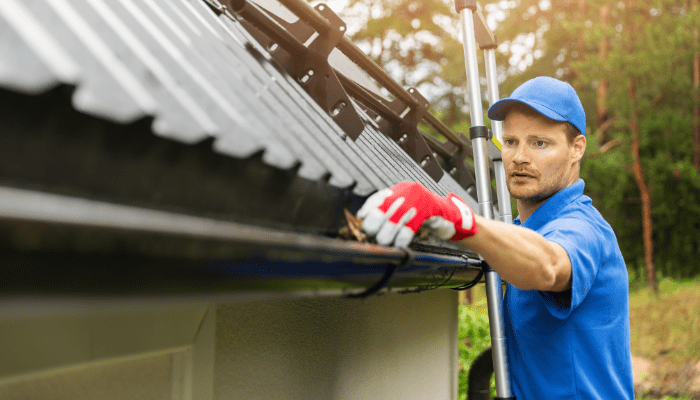
Seasonal care carries more value than buyers expect. Cleaning gutters before heavy rain protects siding, foundations, basements, and landscaping. Replacing HVAC filters helps air flow and system performance. Checking caulk around tubs, showers, windows, and doors keeps water from reaching places it should never reach.
Routine maintenance tasks are boring in the same way brushing your teeth is boring. Skip them long enough and the bill stops being boring. A half-hour of attention can prevent a contractor visit, and that trade is worth making.
Exterior checks deserve special attention because weather never negotiates. Look for missing shingles, cracked walkways, loose railing, soil sloping toward the house, and tree limbs touching the roof. These details may feel small during a busy week, but they are often where long-term damage begins.
How maintenance records make a home easier to own and sell
Good records are an underrated ownership tool. Save receipts, service dates, warranties, paint colors, appliance manuals, contractor notes, and before-and-after photos. Future you will thank present you when something breaks and you need to know the model number, warranty status, or last service date.
Routine maintenance tasks also create value when you sell. Buyers trust homes with a paper trail because records show care, not excuses. A seller who can prove regular servicing, timely repairs, and quality materials has a stronger story than one who says, “We never had any problems,” with no proof.
The unexpected benefit is confidence. When you track maintenance, the house feels less mysterious. You know what was fixed, what is aging, and what should be watched. Ownership becomes less reactive, and that shift changes the whole experience.
Conclusion
Buying a home should feel exciting, but excitement needs a backbone. The strongest buyers are not the ones who avoid every flawed property. They are the ones who understand what each flaw means, what it may cost, and whether the home still makes sense after the shine wears off.
You do not need to fear home maintenance needs. You need to respect them early, price them honestly, and build habits that keep the house working in your favor. That mindset turns maintenance from a source of stress into a form of control.
Before you make an offer, walk through the property with clear eyes, ask for repair history, read the inspection carefully, and build a first-year upkeep plan you can afford. A home rewards the buyer who looks past the welcome mat and listens to what the structure is already saying.
Frequently Asked Questions
What home maintenance needs should buyers check before closing?
Focus on the roof, plumbing, electrical system, HVAC, drainage, foundation, windows, and signs of moisture. These areas affect safety, comfort, and future costs. Cosmetic flaws matter less than systems that can create large repair bills soon after move-in.
How much should buyers budget for home upkeep costs?
A practical starting point is to set aside money each month for repairs and seasonal care. Older homes, larger homes, and properties with aging systems need a bigger cushion. The right number depends on condition, climate, and how much work you can handle yourself.
What should be included in a property repair checklist?
Include roof condition, gutters, grading, plumbing leaks, electrical concerns, HVAC age, appliance condition, windows, doors, attic ventilation, basement moisture, exterior paint, deck safety, and pest signs. A good checklist helps you spot patterns instead of reacting to random flaws.
Are routine maintenance tasks different for older homes?
Older homes often need closer attention to plumbing, wiring, insulation, drainage, and exterior materials. They may also have repairs from different decades, which can create mixed quality. Regular checks matter more because aging parts can fail quietly before obvious signs appear.
Should buyers walk away after a bad inspection report?
A bad report does not always mean a bad house. The decision depends on repair cost, safety risk, seller flexibility, and your budget. Walk away when major defects exceed your comfort level or when the seller refuses to address serious concerns.
How can buyers spot hidden maintenance problems during a showing?
Look for stains, odors, uneven floors, fresh paint in isolated areas, poor drainage, slow drains, fogged windows, and patched ceilings. These clues do not prove a major issue, but they tell you where to ask sharper questions during inspection.
Why do maintenance records matter when buying a house?
Records show whether the owner cared for the property over time. Service receipts, repair invoices, warranties, and upgrade dates help you judge risk. A home with strong records gives buyers more confidence than one with vague claims and no paperwork.
What first-year maintenance should new homeowners prioritize?
Start with safety repairs, HVAC servicing, gutter cleaning, filter changes, leak checks, caulking, smoke detector testing, and drainage review. The first year should focus on learning the house, stopping small problems early, and building a schedule you can repeat.